

Shoulder Tendonitis
What is Shoulder Tendonitis?
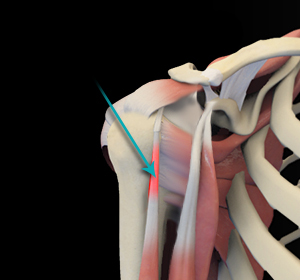
Shoulder tendonitis is a condition characterized by inflammation of the tendons which connect the muscles to the shoulder bones. Tendonitis of the rotator cuff tendons is known as rotator cuff tendonitis. If the biceps tendon is affected, the condition is known as bicipital tendonitis.
What are the Causes of Shoulder Tendonitis?
- Repetitive overhead movements
- Sports injury
- Trauma
- Heavy lifting activity
What are the Symptoms of Shoulder Tendonitis?
- Pain
- Tenderness
- Difficulty to move the arm
- Swelling
- Clicking sound while raising arms
- Reduced strength of shoulder muscles
Benjamin Meyer, D.O.
Board-Certified Orthopaedic SurgeonBenjamin Meyer, D.O. is a board-Certified orthopaedic surgeon with fellowship training in sports medicine, dedicated to helping patients return to the activities they enjoy. He specializes in the treatment of sports injuries and conditions affecting the shoulder, knee, hip, and other musculoskeletal structures, providing comprehensive care through evidence-based nonsurgical treatments, advanced arthroscopic procedures, robotic-assisted Mako® joint replacement, and personalized surgical solutions. Whether caring for competitive athletes or active individuals, Dr. Meyer is committed to restoring function, relieving pain, and helping every patient achieve their unique goals.
How is Shoulder Tendonitis Diagnosed?
- X-ray: This study uses high electromagnetic energy beams that produce images of the bones.
- MRI Scan: This study produces images that help in detecting damage to soft tissues using large magnetic fields and radio waves.
- Ultrasonography: This study uses high-frequency sound waves to produce images of the internal parts of the shoulder.
What is the Treatment for Shoulder Tendonitis?
Conservative methods
- Medications: Your doctor will provide you with anti-inflammatory pain medications like aspirin or ibuprofen to reduce shoulder pain.
- Rest: You will be instructed to take proper rest to reduce the stress on your shoulder.
- Ice: You need to apply ice for 15-20 mins every day to reduce the pain and inflammation.
- Heat: A heating pad should be used to reduce stiffness once your pain subsides.
- Physical therapy: Your doctor will instruct you to carry out physical exercises to increase muscle strength.
Surgical methods
- Dry needling: Your doctor will make small holes in the tendon using fine needles to improve healing by stimulating growth factors.
- Ultrasonic treatment: This is a minimally invasive procedure in which a small incision is made and a special instrument is inserted that uses ultrasonic sound waves to remove damaged tendon tissue and scars.
- Surgery: Surgery is done when the rotator cuff or biceps tendons are severely damaged or torn. During the surgery, the damaged tendon is repaired and reattached to the bone.
Schedule an Appointment
Our team is here to answer your questions and help you find the right treatment for your condition.